Bellenden Road upholstery cleaning guide for local flats
If you live in a flat off Bellenden Road, upholstery cleaning can feel a bit more complicated than it sounds. There's the lift or no lift, narrow stairwells, neighbour noise, drying space, and that awkward question of where the sofa is meant to sit while it dries. This Bellenden Road upholstery cleaning guide for local flats breaks everything down in plain English, so you can clean smarter, protect your furniture, and avoid the usual mishaps that catch people out.
Whether you are dealing with a tired sofa, dining chairs that have seen one too many Sunday lunches, or an armchair that seems to hold on to every bit of London life, the right approach makes a real difference. And yes, it can be done well in a flat - even a compact one. You just need the right sequence, a bit of judgement, and a sensible understanding of what the fabric can handle.
For readers who want a broader service overview as they compare options, it can help to look at professional upholstery cleaning alongside related treatments such as sofa cleaning, stain removal, and even pet stain odour removal when smells are part of the problem.
Table of Contents
- Why Bellenden Road upholstery cleaning guide for local flats Matters
- How Bellenden Road upholstery cleaning guide for local flats Works
- Key Benefits and Practical Advantages
- Who This Is For and When It Makes Sense
- Step-by-Step Guidance
- Expert Tips for Better Results
- Common Mistakes to Avoid
- Tools, Resources and Recommendations
- Law, Compliance, Standards, or Best Practice
- Options, Methods, or Comparison Table
- Case Study or Real-World Example
- Practical Checklist
- Conclusion
- Frequently Asked Questions
Why Bellenden Road upholstery cleaning guide for local flats Matters
Local flats bring a very specific set of cleaning conditions. In a house, you might have a spare room, a utility area, or at least enough space to move a sofa out of the way while it dries. In a flat, not so much. You often have one main living space doing all the jobs at once. Sleep, work, eat, relax, dry laundry, and, if you are not careful, store a damp chair in the middle of it for too long.
That is why a Bellenden Road upholstery cleaning guide for local flats matters. It helps you plan around space limits, airflow, access, and the practical realities of flat living. It also helps you avoid over-wetting, which is one of the most common reasons upholstery ends up with water marks, stubborn smells, or that slightly sour damp feeling no one wants in the lounge.
Bellenden Road and the surrounding Peckham streets have plenty of homes where furniture works hard. Small flats, shared living rooms, rentals, converted properties, and busy family homes all tend to see upholstery take daily wear. Food crumbs, city dust, pet hair, armrest grease, and drink spills add up. Truth be told, you do not always notice how much grime builds up until daylight hits the fabric just right and suddenly everything looks a bit more... lived in.
Cleaning matters not just for appearance, but for comfort and hygiene. A fresher sofa changes the feel of a room. It can reduce odours, improve the look of the fabric, and help furniture last longer before it needs replacing. That is a decent win, especially when flat-space furniture is usually not cheap to replace.
Expert summary: In local flats, upholstery cleaning is less about brute force and more about planning. The best results usually come from choosing the right method, using the least moisture needed, and giving the fabric enough drying time in a well-ventilated room.
How Bellenden Road upholstery cleaning guide for local flats Works
At its simplest, upholstery cleaning removes dirt, spots, body oils, dust, and odours from fabric-covered furniture. But the method matters. Different materials react differently, and flat-based cleaning has extra constraints: less room, less ventilation, and more risk of disturbing neighbours if equipment is noisy or access is tight.
The process usually starts with identifying the fabric type. That might sound obvious, but it really is the foundation. Cotton blends, synthetic fabrics, wool-rich textiles, velvet, microfiber, and leather all behave differently. A fabric that can tolerate a light hot-water extraction clean may not like heavy moisture or strong agitation. If you skip this part, you are basically guessing, and guessing with furniture is a bit of a gamble.
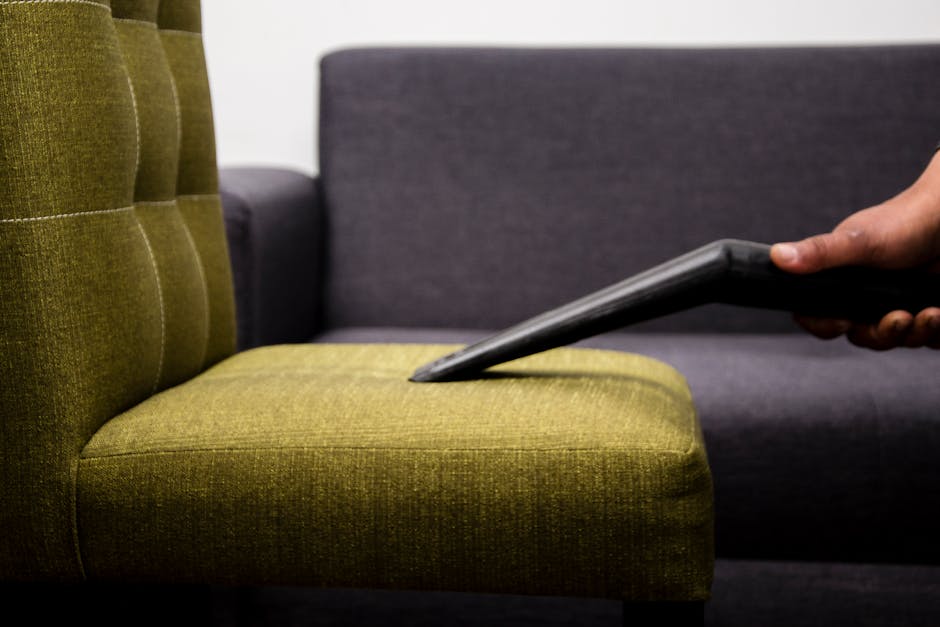
Once the material is understood, the furniture is vacuumed thoroughly. This is not a quick pass. Creases, seams, cushions, and under-flap areas hold surprising amounts of grit. Removing loose debris first stops it from becoming muddy when cleaning solution is applied.
Then comes pre-treatment. Spots and high-traffic areas are often treated before the main clean, because a sofa arm or headrest usually needs more attention than the rest of the piece. After that, the chosen method is applied. In flats, low-moisture methods are often preferable where suitable because they dry faster and reduce the chance of water lingering in thick padding.
Finally, drying is managed carefully. Open windows if possible, keep heating at a sensible level, and use air movement where safe. If your room feels cool and sealed, drying slows down. And once drying slows, so does your chance of enjoying the room properly again. Simple, but important.
If you are comparing upholstery work with other soft-furnishing services, it can also be useful to look at curtain cleaning and rug cleaning, since those jobs often have similar fabric-handling concerns in compact flats.
Key Benefits and Practical Advantages
Good upholstery cleaning brings more than a nicer-looking sofa. In a flat, the benefits can be felt almost immediately because the room is smaller and the furniture is more central to daily life.
- Better appearance: Colours look brighter, patterns show more clearly, and fabric no longer looks dulled by everyday dust.
- Improved comfort: Clean fabric feels fresher against skin and clothing, especially on armrests and seat cushions.
- Odour reduction: Cooking smells, pet smells, and stale room odours tend to cling to upholstery. Cleaning helps lift them.
- Longer furniture life: Dirt particles act like tiny abrasives. Removing them helps reduce wear over time.
- Better use of compact space: In smaller flats, one good sofa often does the job of several pieces. Keeping it in good shape matters more than people think.
- More pleasant guest visits: Let's face it, people notice a sofa before they notice the dusting.
There is also a trust factor. If you rent, a well-kept flat tends to feel easier to live in and easier to hand back when needed. If you own, good care supports the overall feel and value of the space. That does not mean every cushion needs to look showroom-perfect, of course. Real homes are real homes. But there is a noticeable difference between well-used and neglected.
Who This Is For and When It Makes Sense
This guide is for anyone living in a flat near Bellenden Road who wants to make an informed decision about upholstery care. That might be a tenant preparing for a move-out clean, a homeowner trying to refresh a living room, or someone who has noticed their sofa developing a shadowy patch where everyone sits every evening.
It makes particular sense if you:
- live in a compact flat with limited drying space
- have a sofa, armchair, or dining chairs that are used daily
- share a flat and want to reduce allergens and odours
- have pets, children, or both, which usually means extra cleaning pressure, no surprise there
- have had a spill, stain, or pet accident and want to avoid making it worse
- need to clean without turning the whole flat upside down
It also makes sense when furniture cleaning is overdue but still recoverable. If the fabric has become sticky, dull, or a little musty, that is usually the right time to act. Waiting tends to mean stains settle deeper and smells become more embedded. If a cushion has gone beyond surface dirt and into persistent discolouration, a more specialist approach may be needed.
A small real-world moment: a lot of people put off cleaning until spring or just before visitors arrive. Then suddenly the room feels transformed, and they wonder why they waited so long. Happens all the time.
Step-by-Step Guidance
Here is a practical way to approach upholstery cleaning in a local flat without making the job harder than it needs to be.
1. Check the care label first
Look for fabric codes or care guidance on the furniture label. If you cannot find it, treat the piece conservatively. The label often tells you whether the upholstery can handle water-based cleaning, solvent-based cleaning, or only professional treatment. If the code is not clear, do not just plough ahead. That is where damage tends to start.
2. Clear the space properly
Move side tables, lamps, throws, cushions, and anything fragile out of the way. In a flat, every extra object becomes a trip hazard when you are carrying water, tools, or damp fabric covers. It is boring prep, but worth it.
3. Vacuum with care
Use an upholstery attachment and go slowly over seams, folds, under cushions, and around buttons. This removes dust, crumbs, pet hair, and grit. If you rush, you will leave a lot behind. A proper pre-vacuum is one of those unglamorous steps that quietly determines the final result.
4. Test a hidden area
Before applying any product, test it on a concealed patch. Check for colour transfer, texture change, or water spotting after drying. Even products that seem mild can behave unpredictably on older fabric or sun-faded areas.
5. Treat spots before the main clean
Spills should be handled gently. Blot, do not scrub. Add solution carefully and work from the outside of the mark inward so it does not spread. For oily marks, body oils, or food stains, a targeted pre-treatment usually works better than soaking the whole cushion.
6. Use the right cleaning method
Depending on the fabric, you may use dry foam, low-moisture cleaning, or hot-water extraction. In flats, low-moisture options are often attractive because they dry faster. But "faster" should never mean "more aggressive". Match the method to the fabric, not to impatience.
7. Remove residue and manage moisture
Residual cleaning product can attract dirt if left behind. Use only the amount needed and ensure extraction or wiping is thorough. Too much moisture can soak into padding and take far longer to dry than expected.
8. Dry with patience
Open windows where practical. Use airflow. Keep cushions spaced out if they are removable. Avoid sitting on the furniture until it is fully dry, even if it looks nearly there. The surface may feel ready while the interior is still damp. And that, to be fair, is how people end up with musty smells later on.
Expert Tips for Better Results
Small adjustments make a surprisingly big difference in flat cleaning.
- Work in natural light if possible. Daylight helps you spot missed patches and wet edges. Evening cleaning can hide a lot.
- Use less liquid than you think. Over-wetting is the classic mistake in small homes.
- Lift cushions separately. Don't just clean the visible top surface.
- Keep ventilation going for longer than you expect. A flat can feel dry on the surface but still hold moisture inside the padding.
- Protect floors and nearby soft furnishings. One damp sofa and a wool rug nearby is a recipe for unnecessary stress.
- Be patient with older fabric. Vintage or well-used upholstery often needs gentler treatment and more drying time.
One thing people forget: nearby textiles matter too. Curtains, rugs, and mattresses can all contribute to the same room feeling stale. If the whole room smells tired, cleaning just one sofa may improve things, but not completely. That is why many households pair upholstery care with steam carpet cleaning or mattress cleaning when they want a proper reset.
Also, ask questions about drying time before choosing a method. In a flat, drying time is not a small detail. It is the detail.
Common Mistakes to Avoid
Most upholstery problems come from well-meant shortcuts. A lot of them are avoidable.
- Scrubbing stains aggressively. This pushes the mark deeper and can roughen the fabric.
- Using too much detergent. More product does not mean better cleaning. It often means sticky residue.
- Skipping the test patch. This is how colour loss and texture damage happen.
- Ignoring the care label. Labels are not decorative. They matter.
- Trying to dry fabric too quickly with excessive heat. Heat can warp fibres or set certain marks.
- Forgetting hidden areas. Under cushions, backs, and side panels collect plenty of dirt.
- Cleaning only visible marks. A sofa can look clean and still hold body oils, dust, and odour in the seating area.
There is also the "I'll just do half of it now" trap. Fine in theory, messy in practice. If the seat cushions are cleaned but the arms are ignored, the contrast can look odd for weeks. Better to plan the whole job or at least the whole visible zone.
Tools, Resources and Recommendations
You do not need a complicated setup to maintain upholstery in a flat, but a few good tools help.
| Tool or item | Why it helps | Flat-friendly note |
|---|---|---|
| Upholstery vacuum attachment | Lifts dust and debris from seams and cushions | Quiet, compact, and ideal for regular upkeep |
| Microfibre cloths | Useful for blotting and light surface work | Good for spot response without soaking fabric |
| Soft-bristled brush | Loosens embedded dirt gently | Use lightly to avoid roughening the pile |
| Fabric-safe cleaning solution | Supports stain treatment and refresh | Always test first on a hidden area |
| Fan or open-window airflow | Speeds drying | Especially useful in small rooms with limited ventilation |
If you are deciding whether to clean yourself or book help, it is worth comparing the condition of the furniture with the time and risk involved. For routine refreshes, a careful DIY approach can work well. For deep staining, lingering odours, or delicate textiles, professional treatment is often the calmer option. If pricing is on your mind, the page on pricing and quotes is the natural place to start, and the company's notes on payment and security and insurance and safety are worth a quick read too.
For anyone wanting to understand the service provider more broadly, about us gives context on the company, while health and safety policy, privacy policy, and terms and conditions are sensible trust pages to check before booking anything.
Law, Compliance, Standards, or Best Practice
Upholstery cleaning in a flat is not usually a heavily regulated activity for the resident doing the work, but there are still sensible standards to follow. The key one is to avoid creating risk to yourself, neighbours, the building, or the furniture.
From a practical UK perspective, best practice includes using products according to their instructions, ensuring good ventilation, and being careful with electricity and water together. If you are using any powered equipment in a communal building, keep cables tidy and avoid blocking corridors or fire exits. That part sounds obvious until you are halfway through a job and a cable has wandered across the room like it owns the place.
If you hire a professional, check that they are clear about safety, insurance, and complaints handling. That is not being fussy. It is just sensible. A reputable provider should be able to explain how they handle risks, what their service includes, and what happens if something goes wrong. If you care about ethical business practices or sustainability, the pages on recycling and sustainability and modern slavery statement may also help build confidence in the wider business approach.
For accessibility and transparency, it is also good practice for a website to make its service information easy to understand. If you are checking a provider's details, pages like accessibility statement, complaints procedure, and contact us are often reassuring because they show the business is reachable and organised.
Options, Methods, or Comparison Table
Not every upholstery job needs the same method. In a flat, choosing the right one often comes down to fabric type, drying tolerance, and how much disruption you can live with for the day.
| Method | Best for | Pros | Watch-outs |
|---|---|---|---|
| Dry cleaning / low-moisture treatment | Delicate fabrics, flats with limited drying space | Faster drying, less water in padding | May not remove heavy soil as deeply on some fabrics |
| Hot-water extraction | Durable upholstery, deeper soil, general refresh | Strong cleaning power, lifts embedded dirt | Longer drying time, not suitable for every fabric |
| Foam cleaning | Light to moderate surface cleaning | Useful middle ground, controlled moisture | Can leave residue if not removed properly |
| Spot treatment only | Small fresh stains | Quick and targeted | Does not refresh the whole piece |
If you ask me, the best choice is rarely the fanciest one. It is the one that suits the fabric and your living situation. A quick-drying method can be more valuable in a one-bedroom flat than a more aggressive clean that leaves the room out of action until the next day. Nice in theory, awkward in practice.
Case Study or Real-World Example
Here is a realistic flat scenario from the kind of work people often face around Bellenden Road. A tenant in a first-floor flat notices the sofa has developed a patchy look where the family sits each evening. There is also a faint smell after a wet weekend and a spill from a takeaway curry that was handled "well enough" at the time. Not terrible, but not great either.
Instead of attacking the marks with one strong cleaner, the sensible approach is to vacuum thoroughly, test the fabric, treat the spill area carefully, and clean the whole seating zone in a controlled way. The armrests get extra attention because they hold oils from daily use. Cushions are separated for drying. Windows are opened where safe, and the room is left with airflow for several hours.
What usually changes? The sofa looks more even, the room smells lighter, and the tenant no longer feels the need to throw a blanket over everything just to hide it. That is a very common outcome, actually. Not magical, just satisfying. The kind of clean that makes you sit down and say, "oh, that's better."
If the same flat had curtains or a rug with the same stale feel, the result would probably have been even better when the room was treated as a whole. Soft furnishings tend to talk to each other, in a way. One tired item can pull the whole room down.
Practical Checklist
Use this before you start any upholstery cleaning job in a flat.
- Check the care label or fabric type
- Confirm whether the piece can handle water-based cleaning
- Clear the surrounding space
- Vacuum all seams, creases, and cushion edges
- Test products on a hidden area first
- Choose the least risky effective method
- Use minimal moisture
- Blot stains rather than scrubbing
- Allow strong airflow for drying
- Keep people and pets off the furniture until fully dry
- Inspect the result in daylight if possible
- Book a professional if the fabric is delicate or the stain is persistent
And if a stain is older than you realised - which happens all the time - do not panic. Older marks are harder, yes, but not always impossible. They just need a more careful approach.
Conclusion
A good Bellenden Road upholstery cleaning guide for local flats should do more than tell you how to make a sofa look cleaner. It should help you think through space, drying, fabric safety, and the realities of flat living. That is what gives you better results and fewer headaches later.
Start with the fabric, not the stain. Work gently. Keep moisture under control. Give the room enough time to breathe. And if the job feels too delicate, too large, or too risky for a DIY clean, that is a perfectly sensible point to stop and ask for help.
Clean upholstery changes the feel of a flat in a way that is hard to fake. The room looks brighter, smells fresher, and somehow feels more settled. A small thing, maybe. But in a local flat, small things matter more than people admit.
Get a free quote today and see how much you can save.
Frequently Asked Questions
How often should upholstery be cleaned in a flat?
For most local flats, a light maintenance clean every few months and a deeper clean when needed is a sensible rhythm. High-use sofas may need attention more often, especially if pets or children are involved.
Can I clean upholstery myself in a Bellenden Road flat?
Yes, if the fabric is suitable and the stain is not too serious. DIY cleaning can work well for routine refreshes, but delicate fabric, strong odours, or large spills are better handled carefully.
What is the safest way to dry a sofa in a small flat?
Use airflow, open windows where possible, and avoid over-wetting the fabric in the first place. Drying works best when the room is ventilated and the cushions are spaced out.
Will upholstery cleaning remove pet smells?
It often helps a lot, especially when odours are in the fabric surface or cushion layers. For stronger pet-related smells, a more targeted treatment such as pet stain odour removal may be more appropriate.
Is steam cleaning suitable for all upholstery?
No. Some fabrics can cope well with it, while others cannot. Always check the care label and test first. Steam is not a universal fix, even if it sounds like one.
How do I avoid water marks on upholstery?
Use the smallest effective amount of moisture, clean evenly across the piece, and dry it promptly. Uneven wetting is one of the main causes of visible marks.
What should I do if a stain is old?
Act gently and avoid scrubbing. Old stains often need pre-treatment, patience, and sometimes professional equipment. Repeated rubbing usually makes things worse, not better.
Can upholstery cleaning help with allergies?
It can reduce dust, pet hair, and other particles trapped in fabric, which may make the room feel fresher. It is not a medical treatment, of course, but a cleaner soft-furnished room can be more comfortable.
How long does upholstery take to dry in a flat?
Drying time depends on the method, the fabric, room temperature, and airflow. Low-moisture cleaning dries faster; wetter methods can take much longer, especially in a cool or enclosed flat.
What if my sofa has mixed materials?
Mixed-material furniture needs extra care because one section may tolerate moisture while another does not. It is best to identify the fabric on each section and clean conservatively.
Do I need to move furniture out of the flat?
Usually not. Most upholstery cleaning can be done in place, which is one reason it suits flats so well. The key is to clear enough surrounding space for access and drying.
When should I book a professional instead of doing it myself?
If the fabric is delicate, the stain is widespread, the smell is persistent, or drying space is limited, a professional service is usually the safer choice. It saves a lot of second-guessing, which is worth a lot in a small home.